
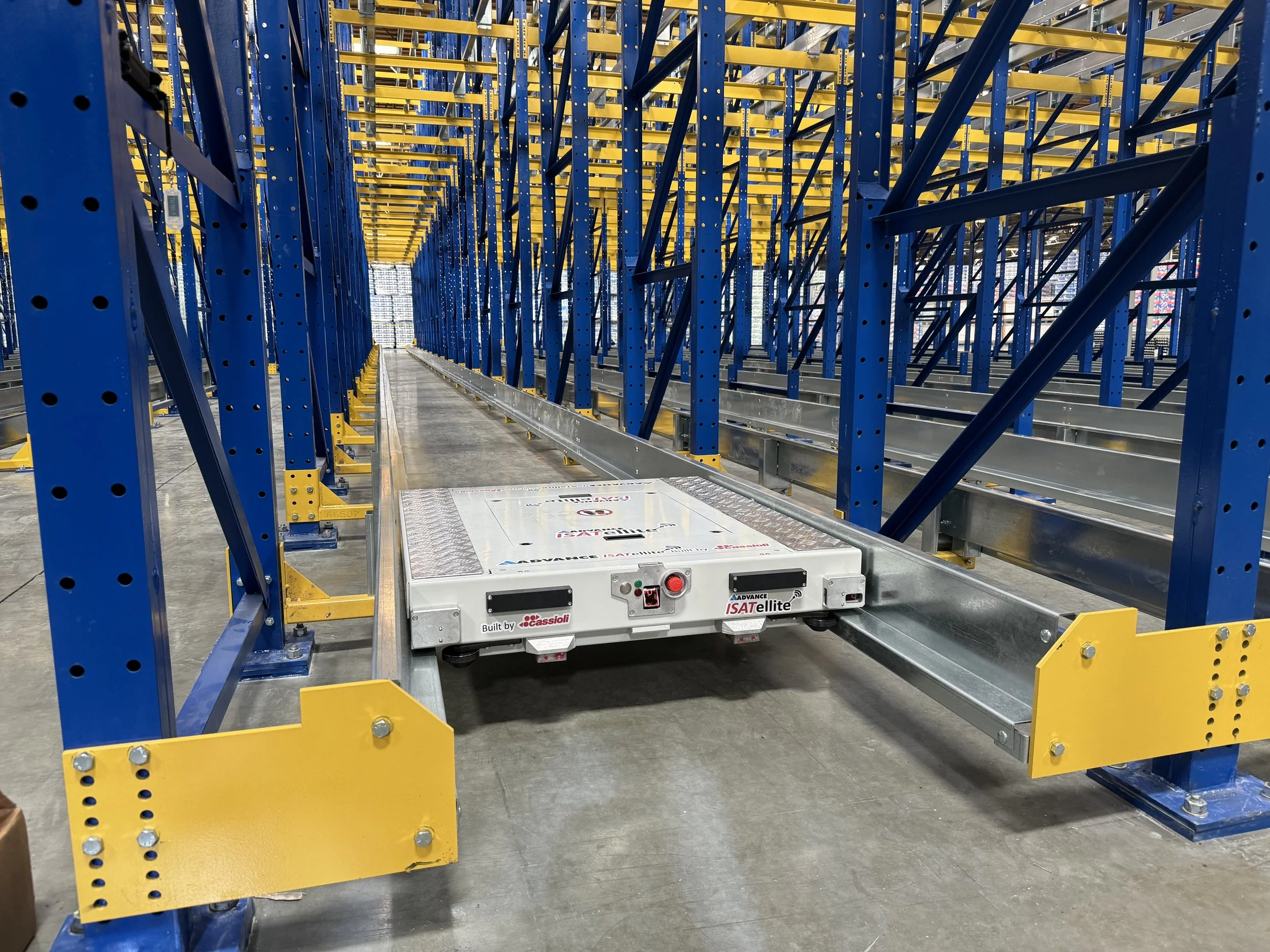
Warehouse Automation and Racking: What You Need to Know
Labor pressures, real estate costs, and increasing throughput demands are all pushing warehouses to find ways to do more within the space they already have. Automation is increasingly becoming an answer to this problem.
Discover how racking design influences automation readiness, and why systems like pallet shuttles are gaining attention from warehouses looking to boost density and efficiency.
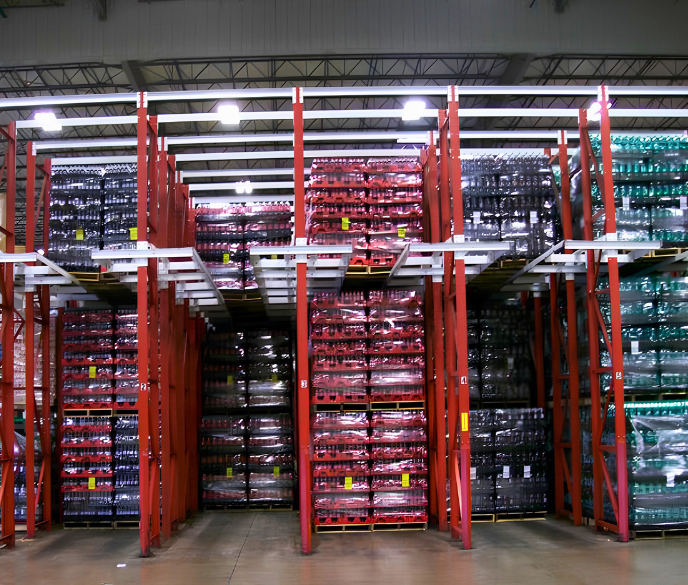
Engineering Beverage Storage for a High-SKU World
In the last few decades, beverage industries have seen a trending increase in SKU counts. Learn from a racking expert at Advance about how this affects the types of storage systems best suited for beverage industry warehouses.
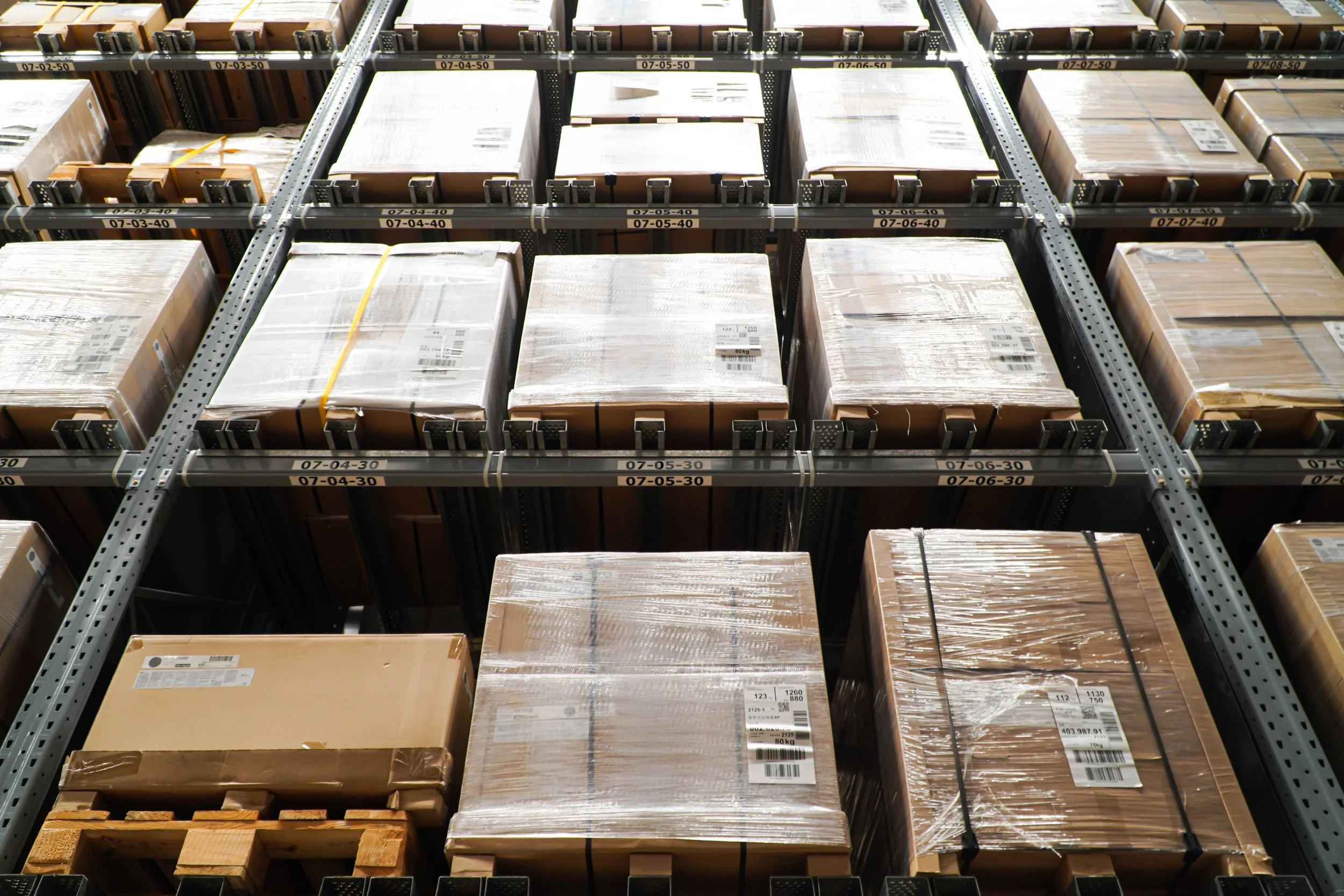
Maximizing Cube Utilization with the Right Warehouse Racking System
Cube utilization is a key warehouse metric, but maximizing storage density isn't always the goal. Learn how different industries approach warehouse space utilization and how the right racking system can help balance capacity, accessibility, and efficiency.

Key Considerations for Cold Storage Rack System Design
Designing an effective rack system for a cold storage facility involves a thorough analysis of both general warehousing factors and the unique operational challenges presented by low-temperature environments. While many of the core considerations—such as pallet count, building dimensions, and seismic factors—mirror those of ambient storage, cold storage introduces several additional layers of complexity due to temperature control requirements, condensation risks, and strict regulatory demands. Site-Specific Aspects to Review for Cold Storage Operations Thermal Envelope Integrity: The most fundamental distinction in cold storage is the need to maintain a consistent, low-temperature environment. Any penetration or modification of the building envelope for […]
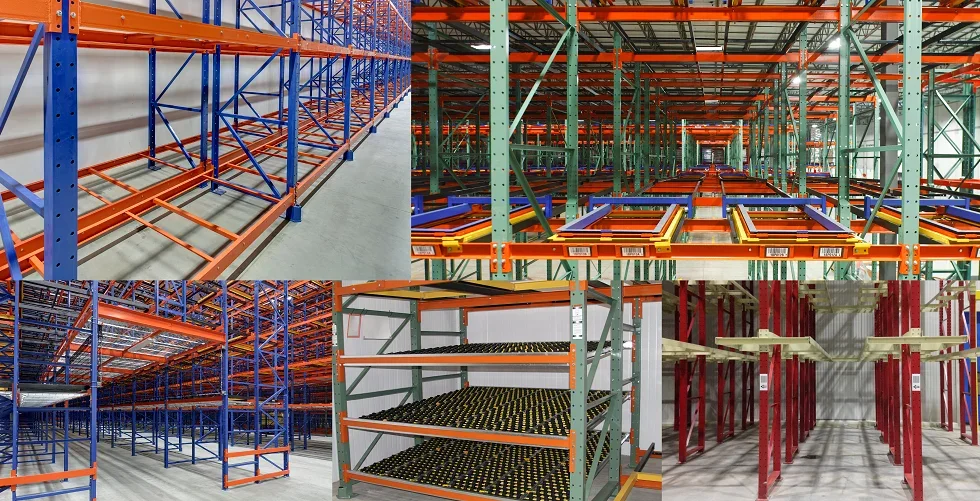
Comparison of Picking Operations and Their Benefits
Picking operations are critical to the distribution lifecycle, as they directly impact productivity, flexibility, and cost efficiency. Below is a comparison of different types of picking operations, highlighting their benefits and challenges in the context of the distribution lifecycle: Pushback Racking Benefit: High storage density and flexibility, allowing multiple SKUs at different levels. This helps in optimizing storage space while maintaining a degree of SKU variety. Limitation: Fire safety regulations restrict the depth to four pallets, which may influence configuration choices and incur additional costs for in-rack sprinklers. Lifecycle Impact: Pushback racking is ideal for operations requiring dense storage with moderate […]
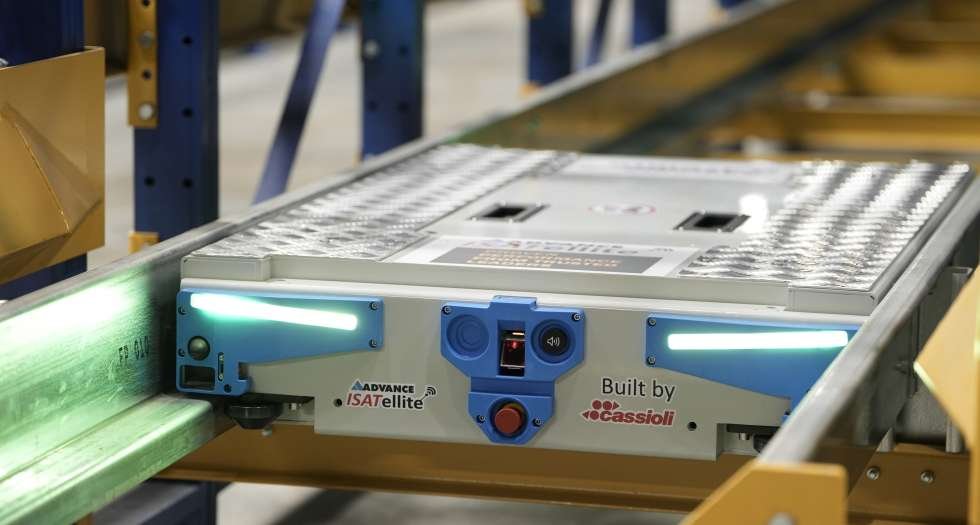
Industries That Could Benefit the Most from Semi-Automated Pallet Shuttle Systems
Exploring Efficiency Gains Across Sectors Semi-automated pallet shuttle systems have emerged as a transformative solution for industries grappling with the growing demands of storage and logistics. By automating key processes in the storage and retrieval of pallets, these systems significantly improve efficiency, reduce operational costs, and minimize damage to racks and goods. As businesses look to streamline their operations and enhance productivity, identifying the industries that stand to benefit the most from this technology becomes essential. In this discussion, we delve into the sectors where semi-automated pallet shuttle systems can create the greatest impact, highlighting the unique challenges and opportunities […]
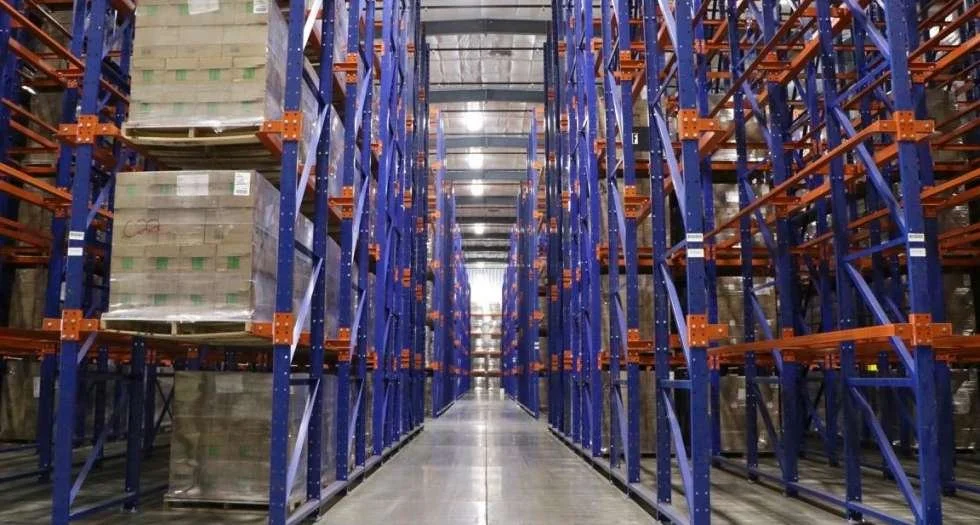
Drive-In Systems: What You Need To Know
Drive-In systems are designed to provide many years of safe storage in high frequency loading service. They offer the ability to store a large amount of similar SKUs in a small storage area. Selectivity is sacrificed, but storage density is outstanding. In a drive-in system, a lift truck drives into the rack to access pallets two or more deep for pallet placement in a back to front arrangement, and it is ideally suited for First-in, Last-out (FILO) inventory arrangement. Drive-In racks are typically subject to more abuse than selective racks (due to the way they are utilized), so rack integrity and […]
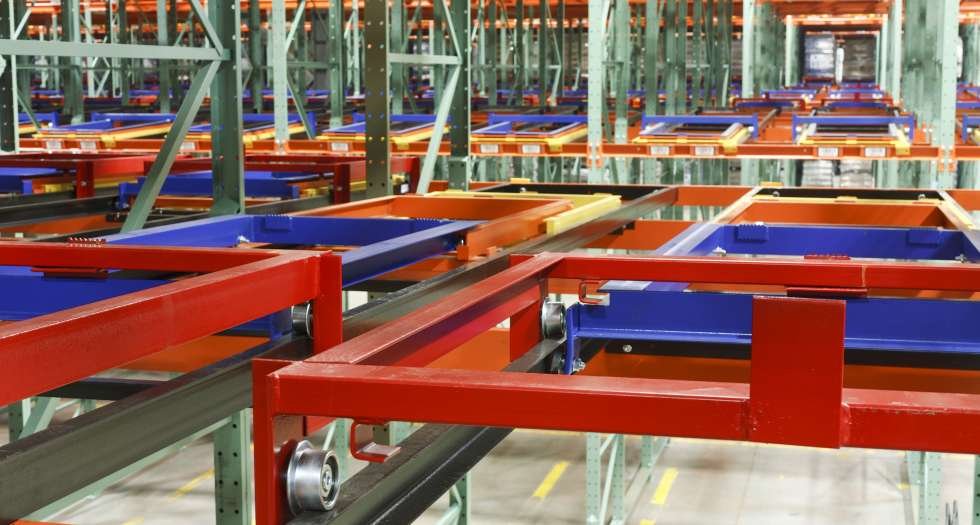
How To: Loading and Unloading a Pushback Pallet Racking System
Prior to loading the pushback system: Check the quality of your pallets – If using standard Lo-Pro Pushback your pallet should have 5 left to right bottom boards in good condition and properly fastened. Double check to make sure there is no overhang from a pallet because this could cause the cart to hang up. Improperly stacked boxes, slip sheets, carton flaps or loose shrink wrap could also cause the cart to get hung up in the system. Plastic pallets or wood pallets with no bottom boards should only be used in a full support pushback system. Check to make […]
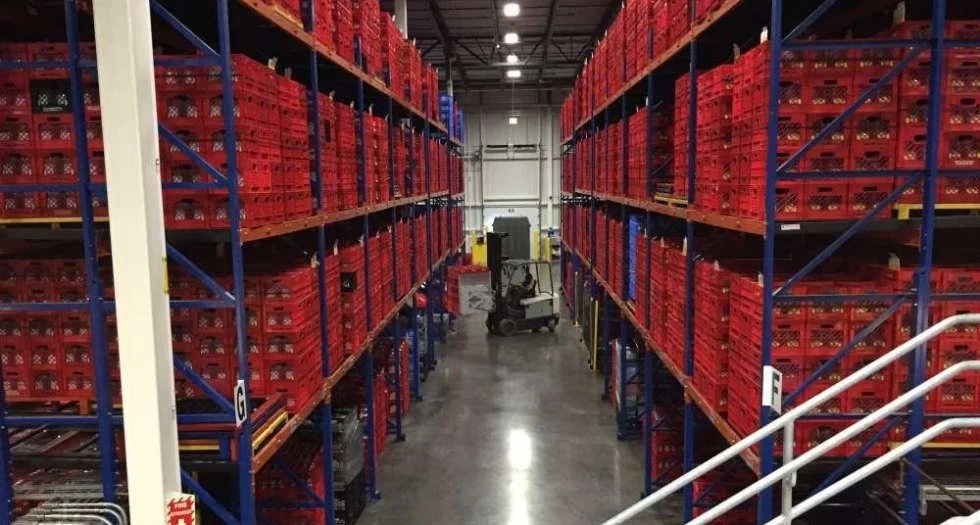
2 Racking Considerations for the Food & Beverage Industry
Warehouses and distribution centers in the food & beverage industry have unique challenges when selecting a racking design to fit their throughput and SKU management needs. SKU profiles are so diverse that it is imperative to work with a company that can manage all aspects of racking design, installation, and project management to ensure quality and on time delivery at each step of the process. A racking company that manages permitting, safety drawings and applications and manages parts through one source will make […]
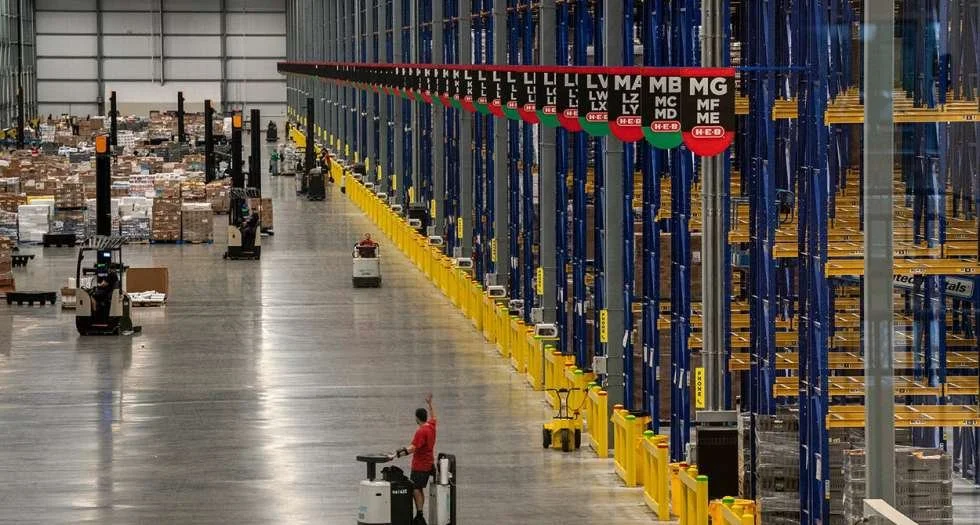
How To: Maximizing Safety In Your Warehouse With A Winning Culture
A comprehensive safety protocol is important for maintaining a culture of checks and balances amongst management and employees to mitigate as much potential risk as possible and to keep warehouse employees and equipment safe. Here are some suggestions to promote safety in your warehouse operations. [...]
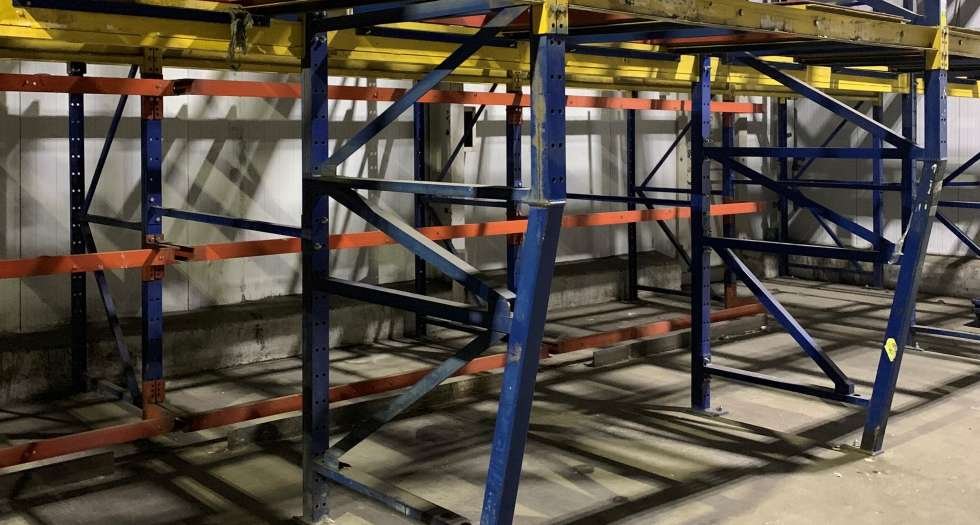
5 Repair Options for Damaged Pallet Rack
Rack Replacement – Replacement of damaged rack components with identical parts approved by the OEM is recommended when the OEM can be identified and when original or revised engineering documentation is available. When load-bearing components of a rack structure are replaced with components that are not identical, the owner should request an engineering evaluation to evaluate the loads on the replaced components. Interchanging Components – RMI recommends against interchanging components, such as uprights or beams with similar looking components from other OEMs because such components might not be compatible or interchangeable with the OEM rack system. If components from multiple [...]
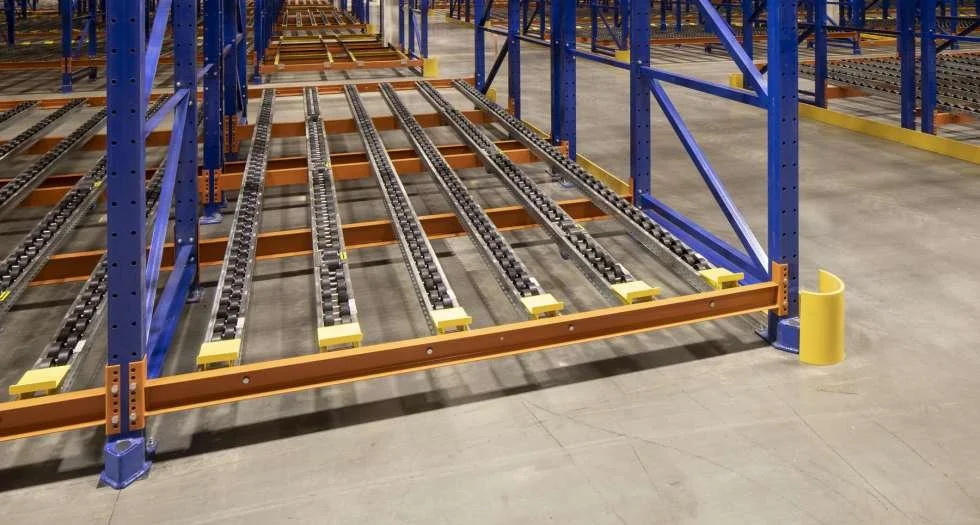
Pallet Flow: 7 Things To Consider
Pallet flow systems are one of the most efficient ways to cube a warehouse. The pallets are loaded first in - first out, can vary from 2 deep to 35 deep, and can go 2 to 5 high (in most cases). A loading aisle and a discharge aisle are required for a pallet flow system. Each aisle will need to be approximately 12 feet deep depending on the lift truck being used. Here are 7 considerations when designing pallet flow systems. Loading Systems (Brake) - The pallets are loaded from an entry end and will generally have pallet guides that [...]
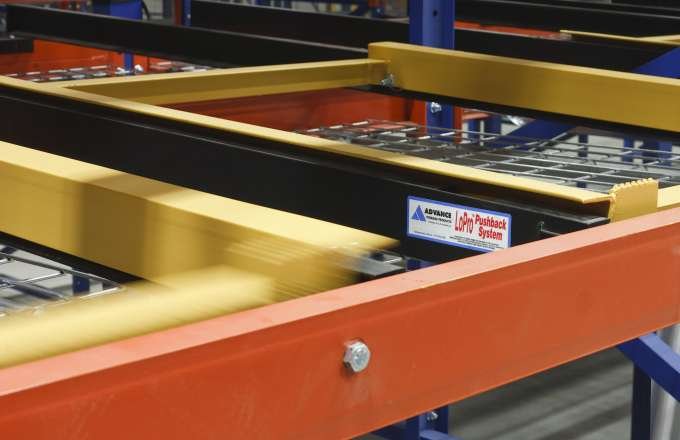
10 Lo-Pro™ Pushback Advantages: Learn Why Advance Does It Best
Advance's Lo-Pro Pushback pallet racking systems are used extensively in high-cube storage facilities and provide superior selectivity and cost benefits when compared with other deep warehouse storage alternatives. Advance Storage Products' pushback rack systems are available 2-6 deep and offer a number of advantages including: High Density Storage - As mentioned, Advance manufactures 2, 3, 4, 5 and 6-Deep Pushback Systems that provide high-density storage. As a result, you can gain up to 100% more storage space without moving to a larger warehouse. Heavy Duty Structural Steel Construction - Advance carts and rails are constructed from structural steel which provides superior [...]
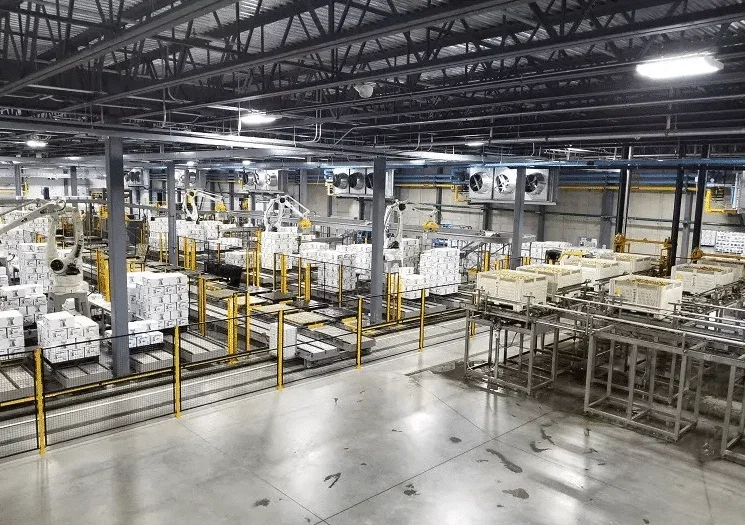
SMALLER, FASTER, SMARTER
How Distribution Centers and Warehouses are Evolving to Meet Customer Convenience Ecommerce is changing supply chains as we know it. You have heard this sentiment before and witnessed the apparent effects across material handling. Consumers have more access to information than ever before and fulfillment centers must figure out the ideal distribution n storage configuration to meet market demand. Rather than thinking larger, companies may want to focus on smaller, faster and smarter. SMALLER: Specialization - Greater technological capabilities in a warehouse or distribution center opens greater potential for SKU slotting and storage design. The ability to take fulfillment data [...]
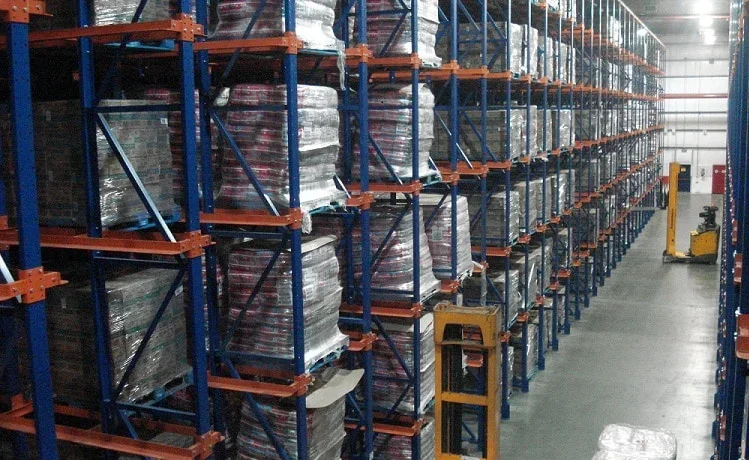
The 6 Components of Drive-In Pallet Racking
Interior Support Arms Interior support arms are used on the interior upright posts. Interior double and single arms are both constructed with a structural steel channel mounted to a flat plate. The plate is configured with a (2" on center) hole pattern for maximum adjustability. Single arms are used on end of row upright frame lines whereas double flush arms are used in intermediate upright frame lines. A single mounted support arm can be used on either the left or right side end of row upright frame line (interchangeable). Rail Support Beams Drive-In rail support beams are used at the rearmost [...]
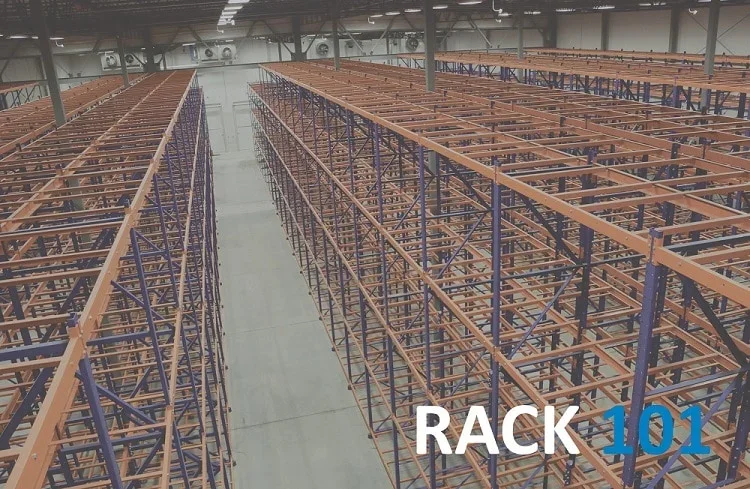
Racking 101: Pushback System Types
Pushback pallet racking is a high density solution for warehouse and distribution centers. Learn more about the different types of pushback systems below: LoPro Pushback - Advance's LoPro pushback carts and rails are made from 3" channel and 3/16 angle. Carts are linked together to prevent separation and captured within the rail. The Advance rail "bed frames" are a welded one-piece design. Series III LoPro Pushback - A LoPro pushback system that costs less but are about 1" taller than the LoPro Pushback. Structural Full Support Pushback Systems - Ideal for facilities that require maximum flexibility, 2-5 deep Full Support Pushback [...]
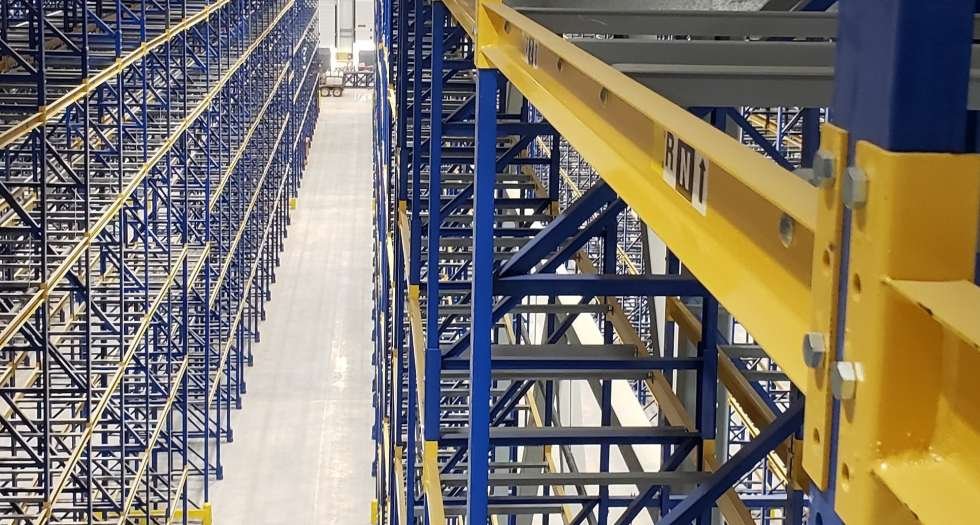
Load Beams: Capacity and Definitions
Structural Load Beams Capacity - Based on uniformly distributed loads per pair of beams with a minimum of one cross bar per pair of beams. Selective Beams - Selective beams are available without holes or with two holes per pallet position to allow for cross bar installation. They are used in single or double deep selective rack applications. Pushback (PB) Beams - Pushback beams are only available with holes, to allow for installation of pushback rails and pallet stops. Front beams will always have either 3, 6, or 9 holes for 1 wide, 2 wide and 3 wide respectively. Reverse Beams [...]
Selective Racking: What You Need To Know
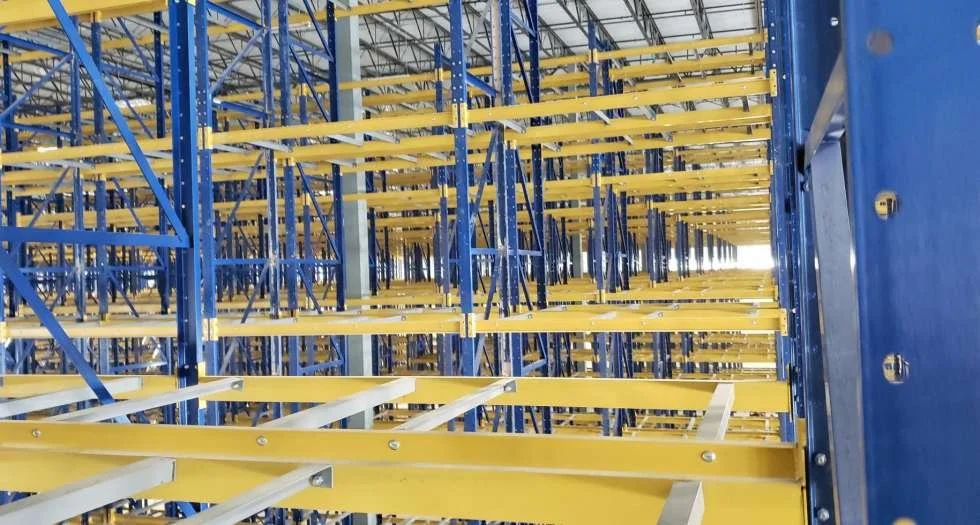
Single selective rack is by far the most basic of all rack configurations. At the same time it also provides the highest degree of selectivity with respect to access to stored pallet loads. The downside to a warehouse filled with selective rack is that more than half of your warehouse square footage will be fork truck aisles. […]
4 Accessories to Strengthen and Protect Storage and Handling Systems
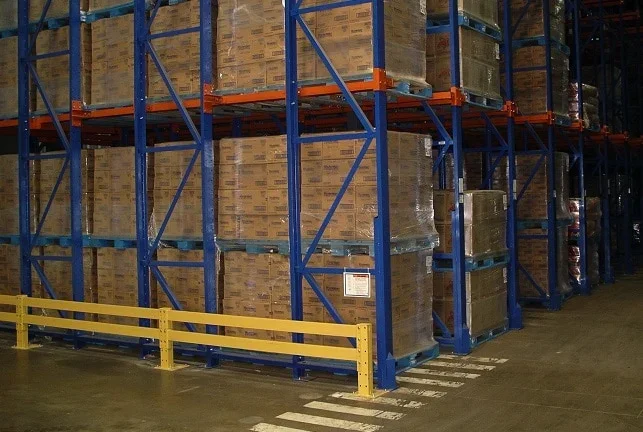
Rub Rails – Rub rails are used to protect the uprights from fork truck or pallet damage in applications where fork trucks drive in to and under the rack. Similar to heavy horizontals on uprights, rub rails also help distribute impact forces and prevent the column from twisting when hit.
End Aisle Guards – End of aisle guards are used to protect the rack at the end of each row or inside tunnel bays. […]
Application: Bolt-In Safety Bars vs. Cross Bars vs. Pallet Supports
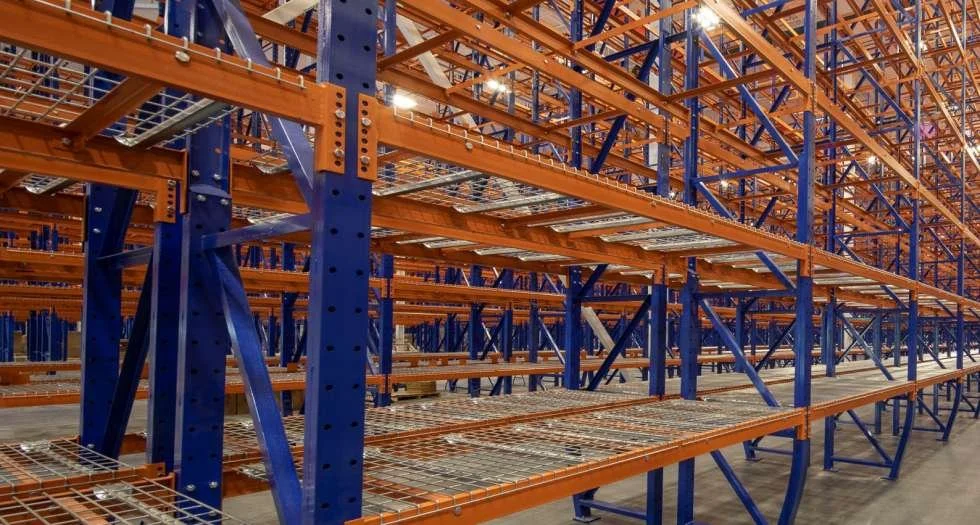
Safety Bars – Safety bars are Not intended to hold a full pallet load. They are only installed for safety reasons to prevent a load from falling through due to accidental misplacement. They are used in applications where the pallet depth exceeds the upright depth. Safety bars may show permanent deflection after time, if operators continually misplace loads, however they will keep the load from falling.
Cross Bars – Cross bars are NOT intended to support the full length of a pallet load between the load beams. They can be used in applications where the chance for misplaced pallets is of concern. […]