
Building Customer Trust Through Reliable Communication
Advice from a Material Handling Supplier

David McDonald,
Distributor Account Manager - West
As MHEDA recently noted, material handling distributors are facing rising customer expectations, making long-term relationships more important than ever. One-and-done projects are becoming less common, and today, companies stand out by building customer trust that lasts.
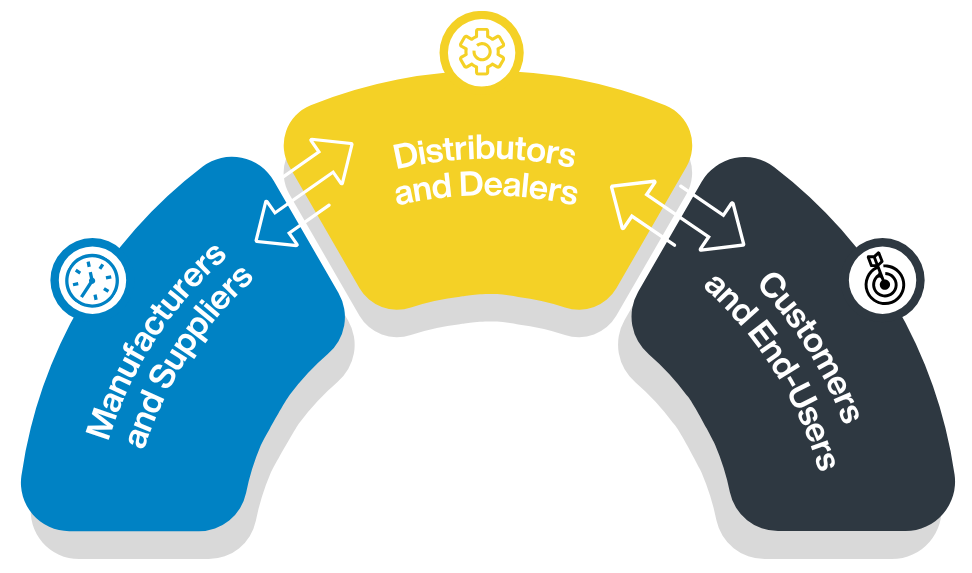
In a supplier-distributor-customer relationship, distributors often carry the responsibility of translating supplier updates into customer-ready information. They need to understand what is happening with the product, timeline, pricing, and any potential issues so they can communicate clearly with the end user.
As a warehouse pallet racking manufacturer, Advance works with material handling distributors and dealers every day. David McDonald, an Advance distributor representative for the Western U.S., shared communication advice based on his experience in warehouse storage, insights that can apply to any supplier relationship where customer trust is at stake.
Reliable Information Is the Foundation of Customer Trust
One of the most important ways distributors earn customer trust is by providing information their customers can rely on. When timelines, pricing, or project details change, how you communicate those updates can either build your customer’s confidence in you or put your relationship at risk.
“Distributors are coordinating a lot of activities around our product being on site,” David said about Advance. “That’s really the big thing that the distributor needs from us. They need reliable information they can pass on to their customer.”
A delayed shipment is one example of an issue that can place distributors in a difficult position. Even if the delay starts with the manufacturer, your customer may still look to you for answers because you selected the supplier and manage the relationship.
“I’ll hear these horror stories from some of our distributors,” David said. “Things like, ‘Three weeks before it was supposed to ship, they told us it was going to be a month late.’ And the distributor has to turn around and relay that information to the customer. As far as the customer is concerned, this is a failure by the distributor. The customer is thinking, ‘You chose this manufacturer; this is on you.’”
Honest Conversations Build Trust
“If there’s a problem,” David advised, “notify them well in advance, and make sure you’re as transparent as possible.”
Even the best-planned projects can run into issues. When they do, clear and honest communication becomes even more important because it helps your customers understand what changed, why it changed, and what to expect next.
Communicate Uncertainty Early
When distributors explain potential changes up front, customers are less likely to feel surprised later. Without that early context, even a legitimate pricing adjustment can feel like a bait and switch.
David pointed to floating steel surcharges as one example of an issue that can create confusion if it is not explained early. For pallet racking, some manufacturers use variable steel surcharges to keep pricing as accurate as possible, which means material costs may shift slightly between the beginning and end of a project.
“If a distributor hasn’t adequately explained this to their customer, then their customer is going to think, ‘You sold me this job at this price, and now you’re telling me it’s higher,’” David said. “All the fine print in the world is not going to change that reaction.”
A customer’s experience can matter just as much as the final outcome of a project. By communicating uncertainty ahead of time, you look prepared and proactive if an issue comes up later.
Be Transparent About the Details
Transparency also depends on calling attention to details that may seem routine to the manufacturer but could affect the distributor’s conversation with the customer. With steel surcharges, for example, David said he takes the extra step when giving a quote to highlight the point so that distributors have the information they need early.
Long-Term Customer Trust as a Competitive Advantage
Over time, if customers know you’re honest, knowledgeable, and dependable, they’re more likely to come back to you, refer you to others, and trust you with bigger projects. That kind of advantage is hard for competitors to copy because it’s built on relationships, not just price. And the suppliers you choose play a big role in how well you’re able to deliver on that.
A lower-cost supplier may seem like the best short-term choice. But over time, dependable communication and follow-through can have a greater impact on whether customers return for future projects.
What to Consider When Evaluating Manufacturers
When you evaluate a manufacturer, product offerings, services, location, and pricing all matter, but those factors are only part of the decision. You also need to consider whether that supplier will help you communicate clearly, keep projects moving, and protect your relationship with the customer.
Choose a Manufacturer Who Cares About the Relationship
A strong supplier is invested not only in the product, but also in their distributor’s responsibility to the customer. That kind of support can be especially valuable when a project includes technical details, engineering questions, or potential issues that need to be addressed before they reach the end user.
Experienced racking distributors may still benefit from another set of eyes on a layout, while distributors who specialize in other supply chain areas than racking may like more guidance from a manufacturer’s engineering team. In either case, the right manufacturer should be willing to provide practical support when it matters. This support may include reviewing rack layouts carefully, flagging details that could create problems later, and anything else that helps distributors communicate clearly with their customers.
In one example David shared, a distributor needed help replacing one row of rack in a high seismic area. At first, the job seemed straightforward. However, the existing rack had been grandfathered in under an older code that allowed the customer to store pallets nine levels high. Under the current code and seismic requirements, that same layout was no longer feasible.
The customer wanted to preserve as much storage capacity as possible, but other engineering resources suggested the design would likely need to be reduced to seven levels. Our team spent additional time evaluating the challenge and developed a creative design that allowed the customer to reach eight levels.
“The bigger picture is that they really wanted to come up with a good solution for this customer,” David said. “They weren’t getting anywhere with anyone else. We were one of the only teams willing to say, ‘Okay, we’ll spend the time and effort to look into this and find the best possible solution for you.’ On paper, the job may not have justified all the time we put into it, but what we did do was help cement a relationship.”
Choose a Manufacturer You Can Trust
Who you choose as a manufacturer can impact your reputation with your customers, negatively and positively. You want a supplier you trust to make sure your customers trust you.
This can include reliable communication about project dates, and clear communication about certain processes that make things easier for a distributor to work with their end user. When issues arise, you want a supplier whose given you the information you need to communicate a solution to your customer.
As David summarized, “Sometimes, it really just comes down to the dealer saying, ‘I like working with these folks. They’re honest, they do what they say they’re going to do, and they’re on time. I want to work with a manufacturer I know I can trust. I don’t want to have to make excuses to my customer and risk damaging a much larger relationship.’”

Learn More about Advance as Your Engineered Storage Partner