Miami Beef
Enhancing Warehouse Efficiency at Miami Beef with Push Back Racking
Client Overview
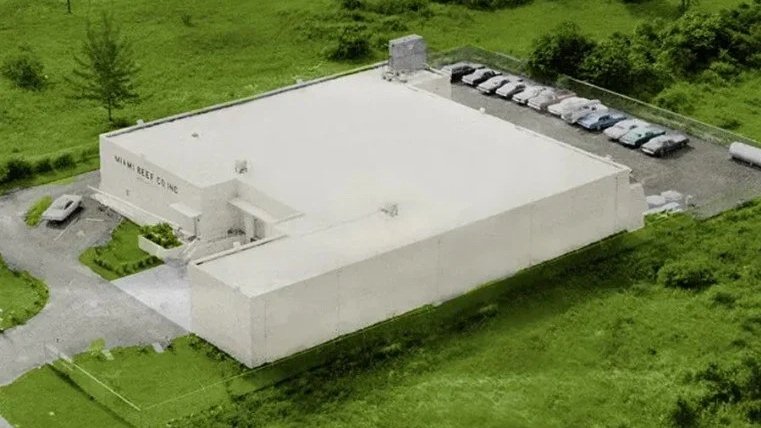
Since 1972, Miami Beef has been an industry leader in providing quality fresh and frozen meat products to foodservice and retail industries throughout the United States, Caribbean, Central and South America. They are recognized for superior product quality, excellent customer service and accelerated processing methods.
This long‑established meat processing and distribution company based in Florida, manages a high‑volume operation with strict cold‑storage requirements. Their warehouse must support rapid order fulfillment, safe product handling, and efficient use of refrigerated space—where every square foot carries a premium cost.
As demand grew, Miami Beef recognized the need to optimize their storage density and improve material‑handling flow without expanding their physical footprint.
The Challenge
Miami Beef’s existing storage system was reaching its limits, creating several operational challenges that hindered efficiency. The company struggled with insufficient storage density in its refrigerated zones, slow product retrieval during peak production periods, and frequent congestion in high‑traffic aisles that reduced forklift productivity.
They also faced difficulties maintaining appropriate FIFO or LIFO inventory strategies based on product type, all while rising cold‑storage energy costs added pressure to their bottom line. To keep pace with demand and maintain smooth operations, Miami Beef needed a solution that would expand capacity, improve workflow, and better support their fast‑paced distribution model.
The Solution
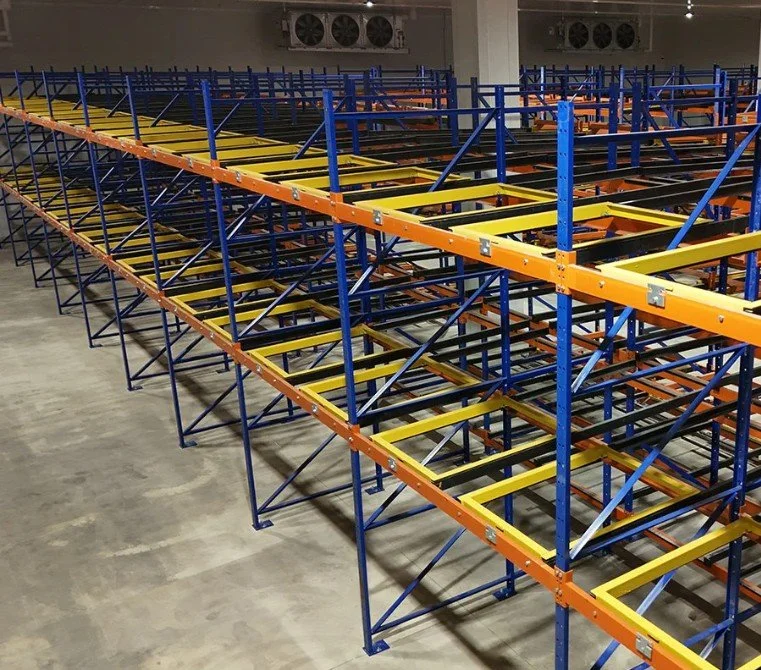
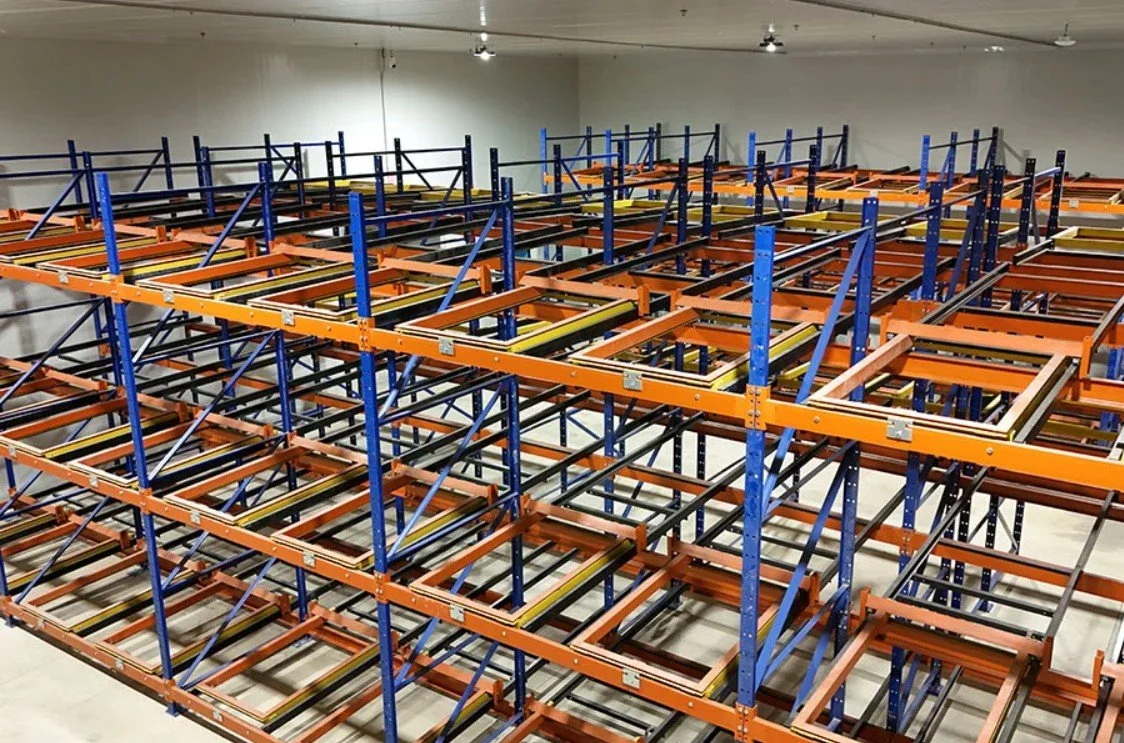
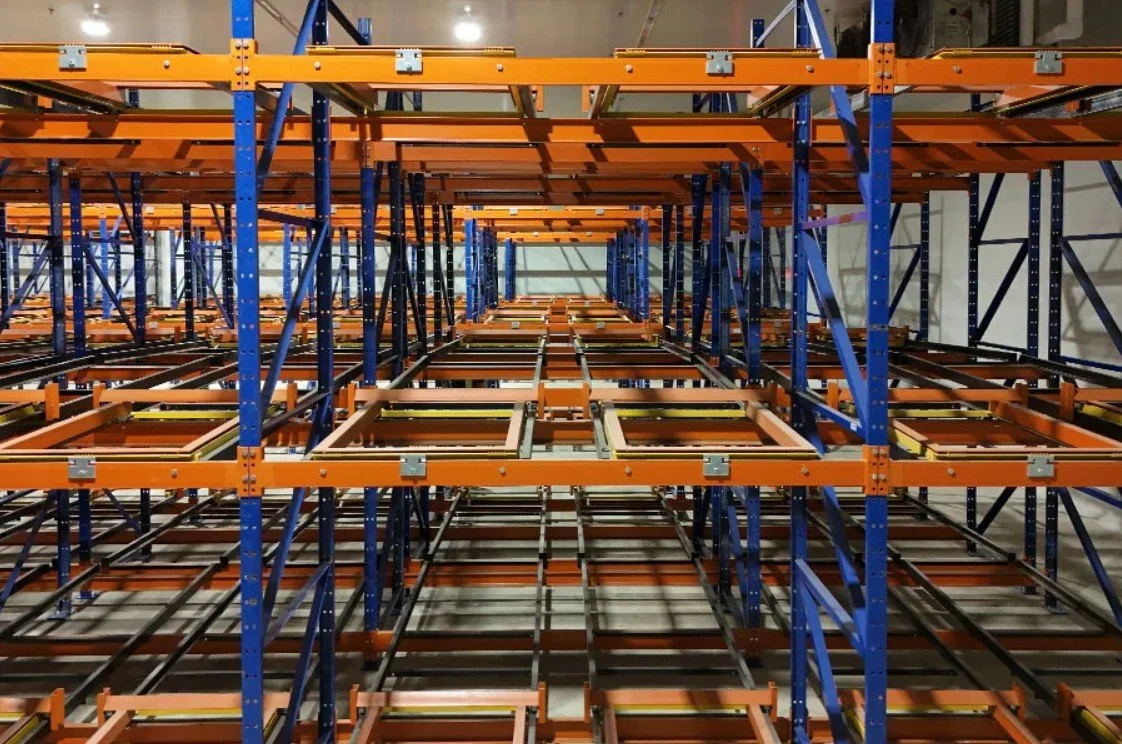
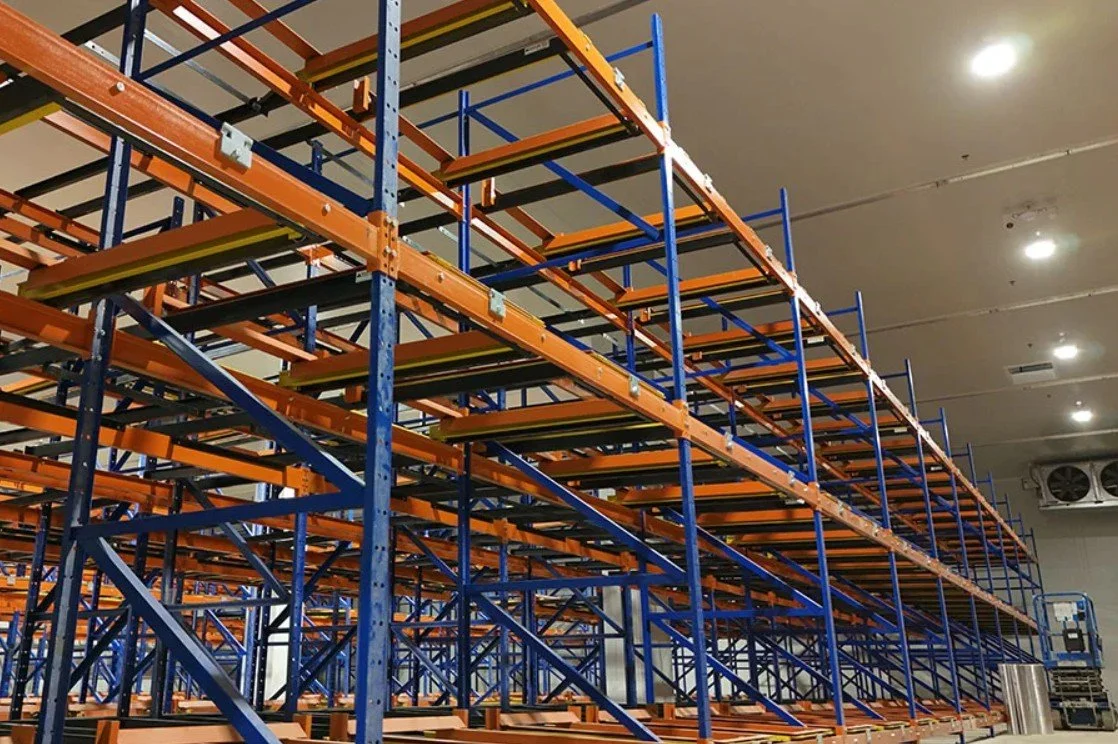
After a detailed site assessment and operational analysis, Atlantic Rack recommended and implemented a Push Back Rack System tailored to Miami Beef’s workflow.
Why Push Back Rack?
Push back racking offered the ideal balance of density and selectivity. It allowed Miami Beef to:
Store multiple pallets deep (2–6 deep depending on SKU)
Reduce aisle count while increasing pallet positions
Improve pick times with gravity‑fed carts
Support LIFO inventory rotation—perfect for many of their product lines
Implementation Highlights
Custom engineering to accommodate freezer‑rated materials and heavy pallet loads
Optimized layout design to maximize cubic storage in cold‑storage zones
Installation with minimal operational disruption, coordinated around production schedules
Training for forklift operators to ensure safe and efficient use of the new system
The Results
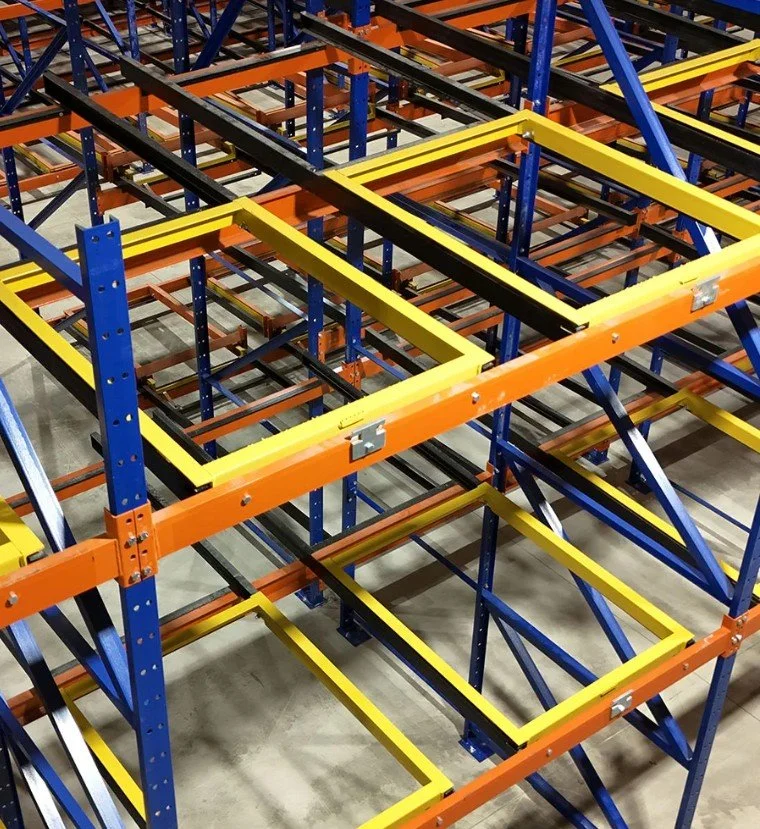
The push back rack installation delivered immediate and measurable improvements:
1. Increased Storage Capacity
Miami Beef gained significantly more pallet positions within the same footprint, allowing them to store more product without expanding their facility.
2. Faster Picking and Replenishment
Forklift operators now access pallets more quickly, reducing travel time and improving throughput during peak hours.
3. Reduced Aisle Congestion
By consolidating storage into deeper lanes, Miami Beef freed up valuable floor space and improved traffic flow.
4. Lower Operational Costs
Higher density in cold storage translates directly into energy savings—less cubic space to cool and more efficient use of refrigerated zones.
5. Improved Workflow Efficiency
The gravity‑fed design of push back racks supports smoother, more predictable product movement, helping Miami Beef maintain consistent order fulfillment.
Conclusion
The Push Back Racking installation provided Miami Beef with a high-density storage solution that maximized available warehouse space while improving overall operational efficiency. By significantly increasing pallet capacity without expanding the facility, the company was able to better support growing production demands within its temperature-controlled environment.
In addition to space savings, the system streamlined material handling, reduced congestion, and enhanced workflow throughout the warehouse. With improved storage organization and faster pallet access, Miami Beef is now equipped with a reliable, scalable infrastructure designed to support continued growth, operational stability, and long-term performance.