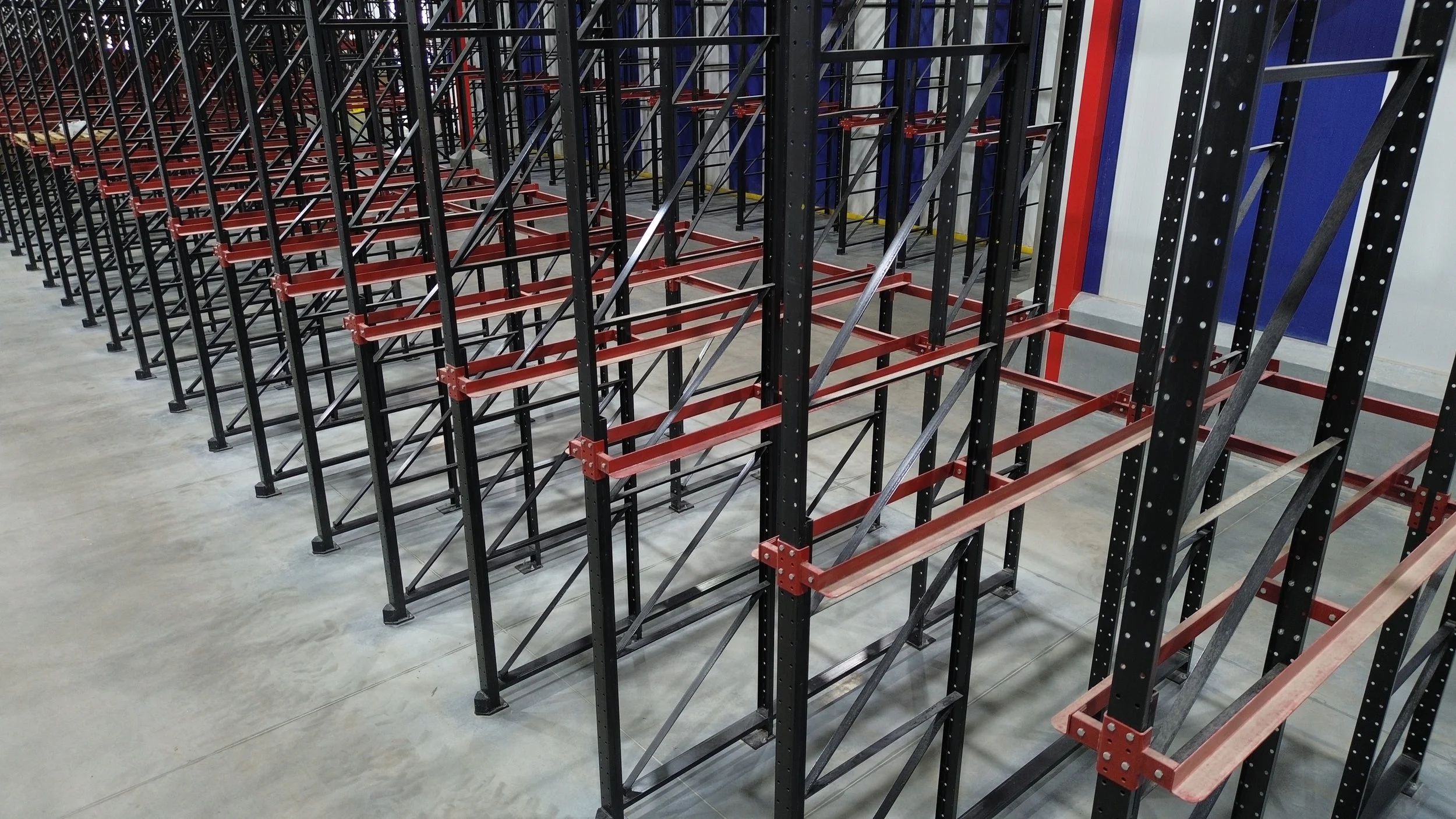
Drive-in Pallet Racking
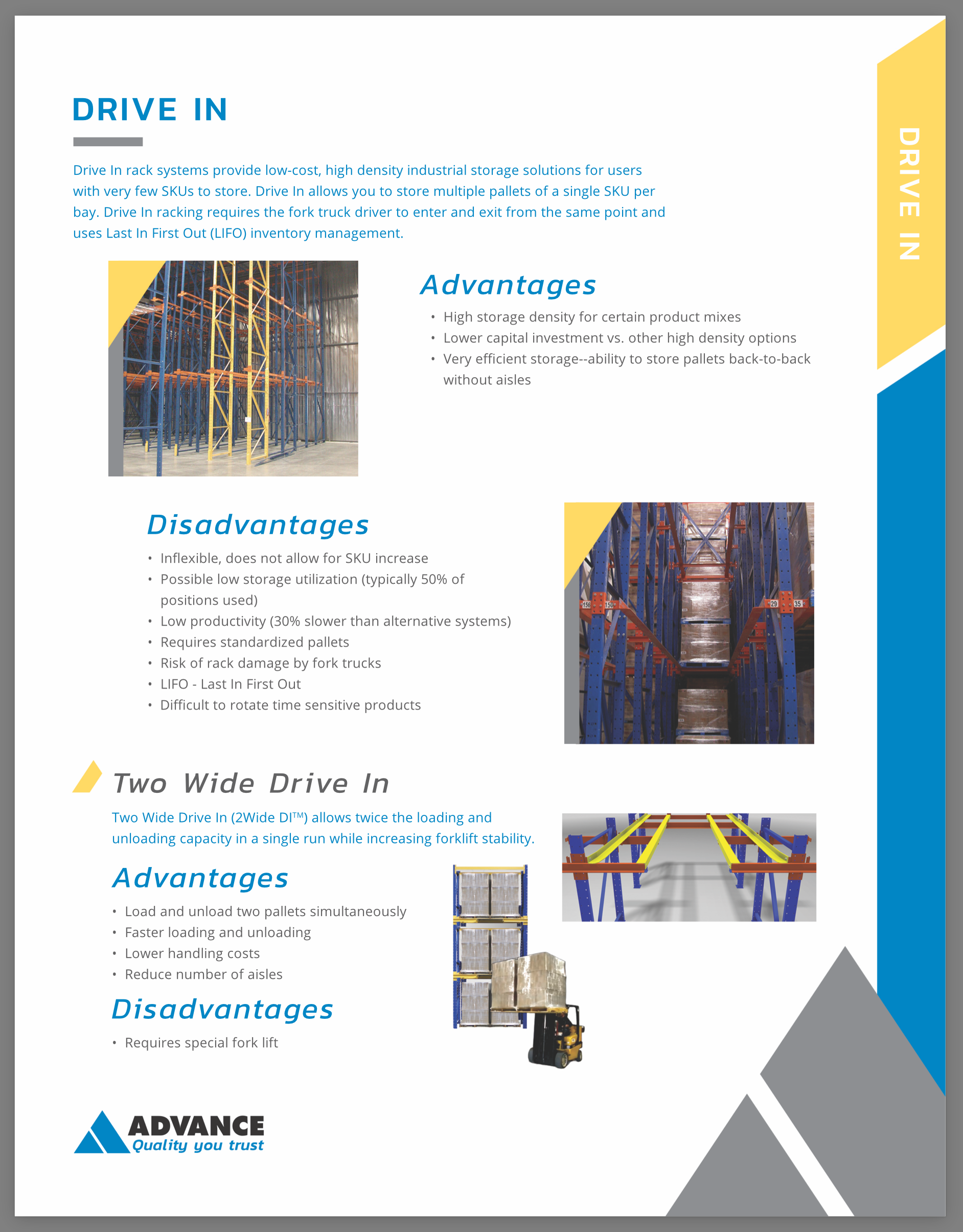
Drive-In rack systems provide a low-budget and high-density storage solution for customers with lower SKU counts. Drive-In rack systems load from the back to the front (First-In Last-Out) as the forklift literally drives into the rack system, loads the pallet onto rails and backs out of the rack system. As the system is loaded rear to front, it must it be unloaded front to rear.
Drive-In systems reduce the number of aisles required in a warehouse. It is frequently used in cold storage applications, where the cost of (refrigerated) volume is at its highest and requires the most return on investment (more density).
Drive-In is limited by the warehouse management system and its ability to slot pallet locations. Utilization is typically low due to honeycombing and drive-in rack is subject to more abuse due to the constant movement of fork lifts in and out of the rack. It is also a system that can require a pallet to be handled multiple times before shipping. If multiple SKU’s or manufacture dates are stored in a bay, handling product multiple times can lead to product damage.
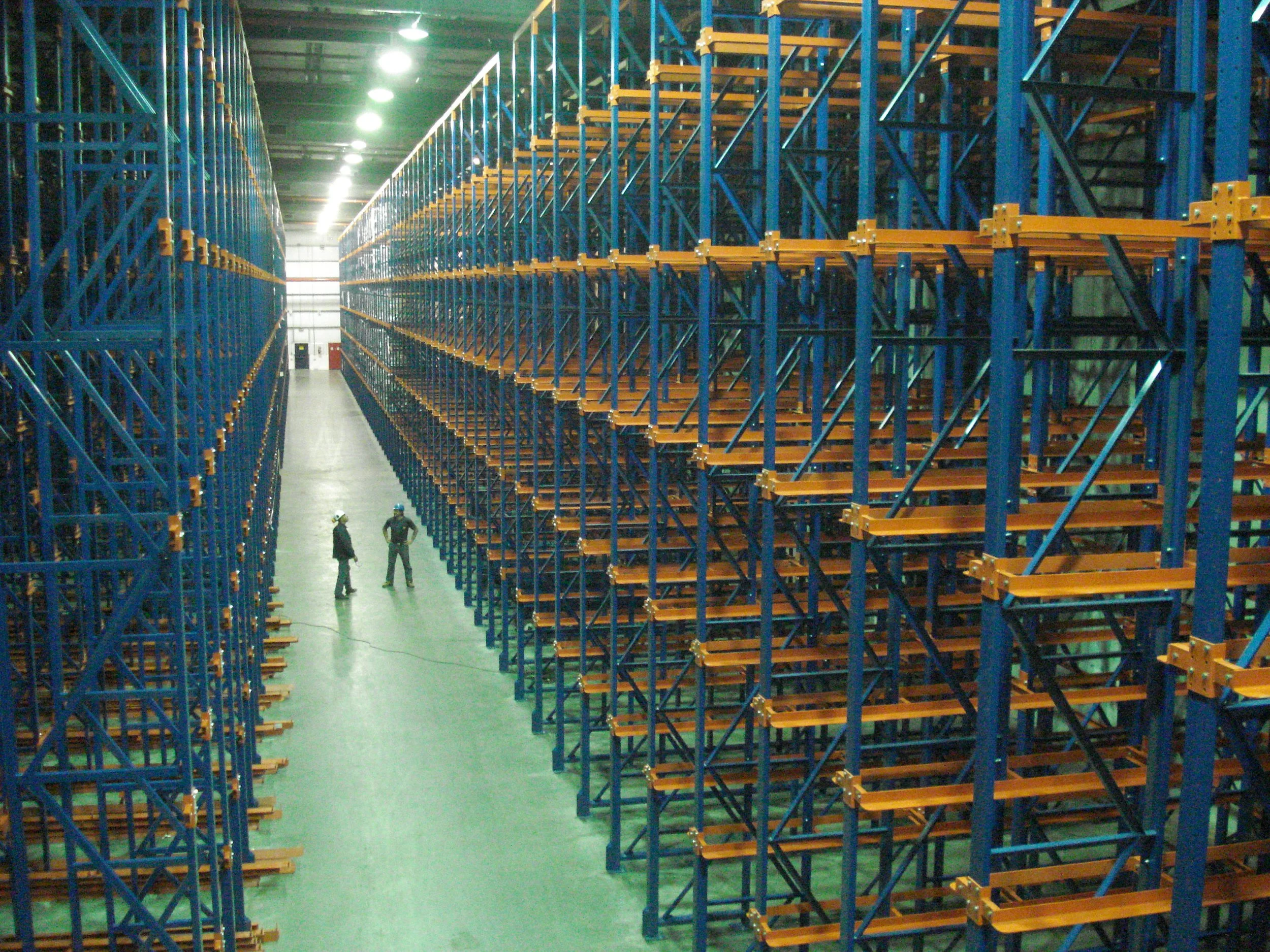
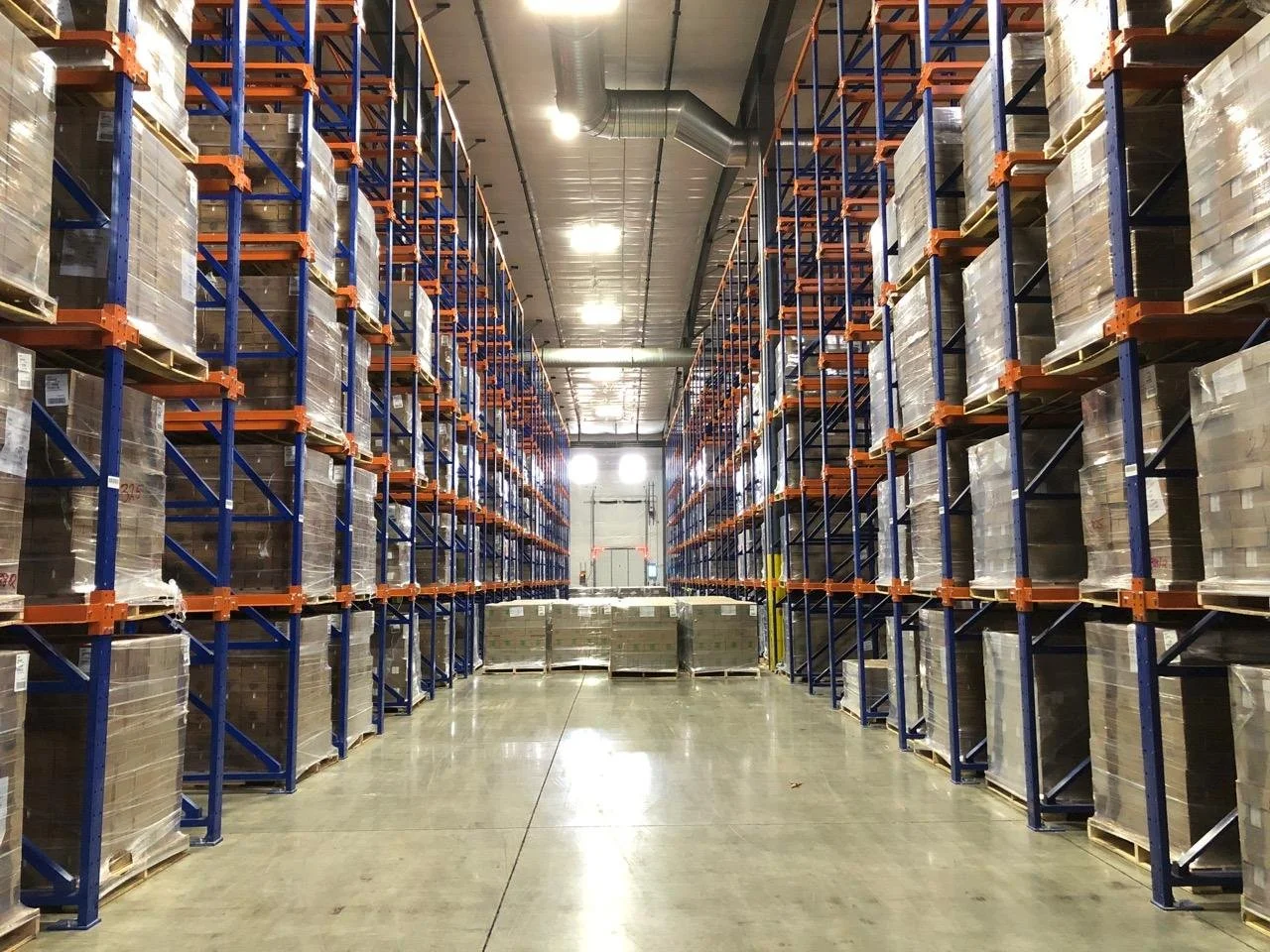
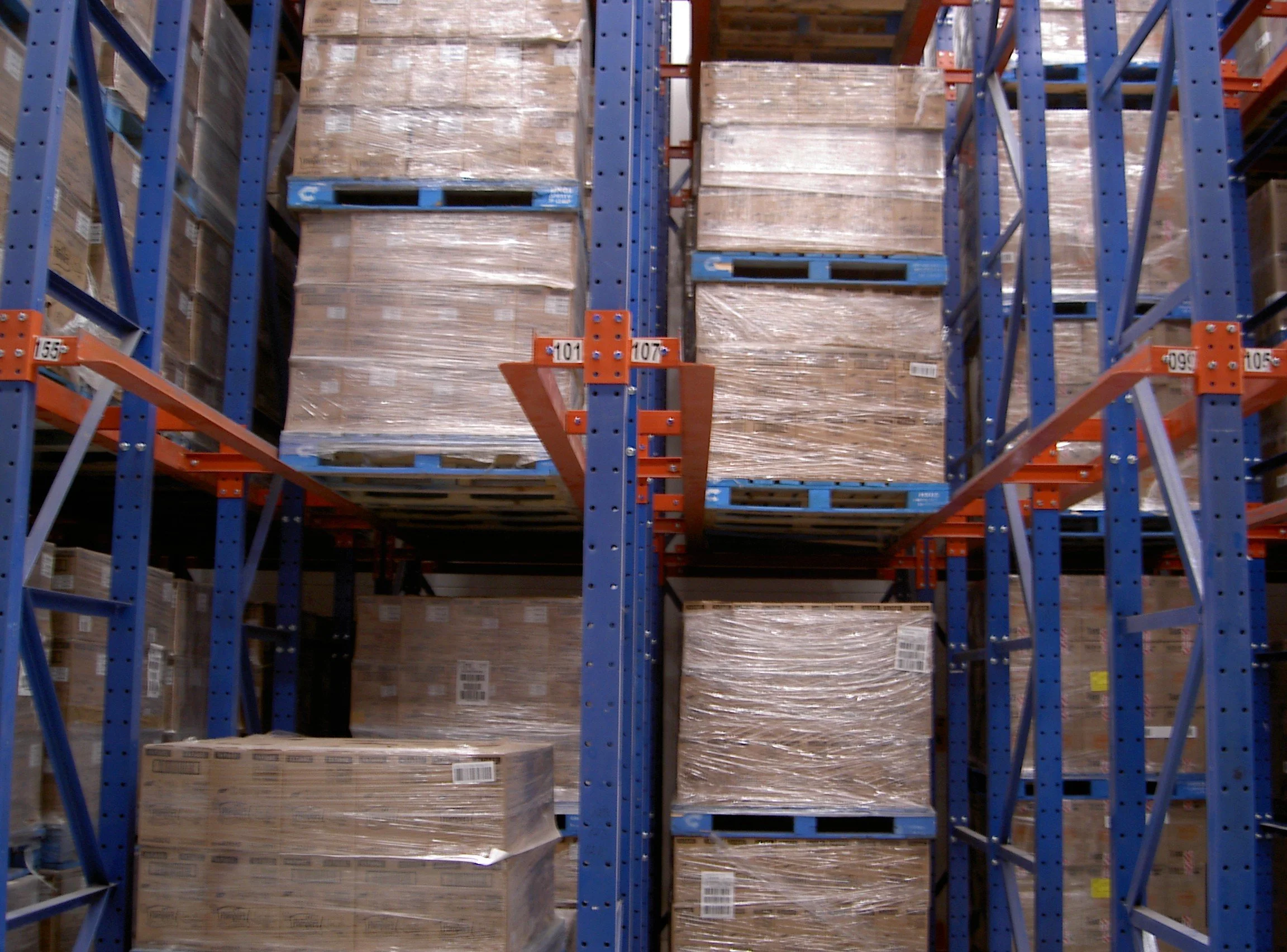
Structural drive-in is built for high-contact lift environments, making it a strong choice for beverage and grocery reserve lanes and high-cycle food DCs. Structural rack’s impact tolerance and repairability help protect uptime.
Structural Drive-In:
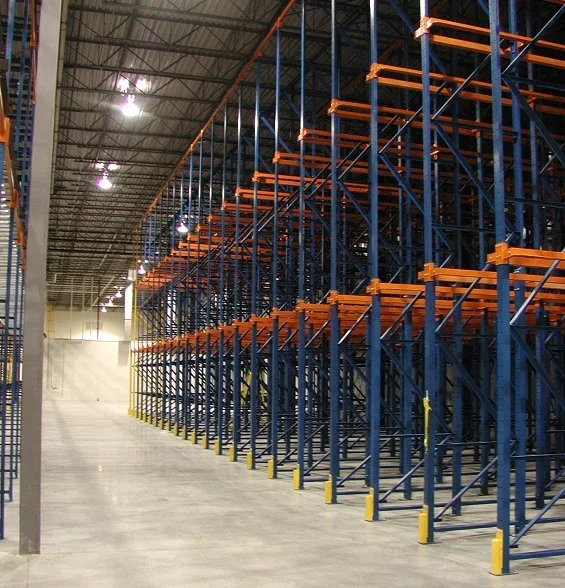
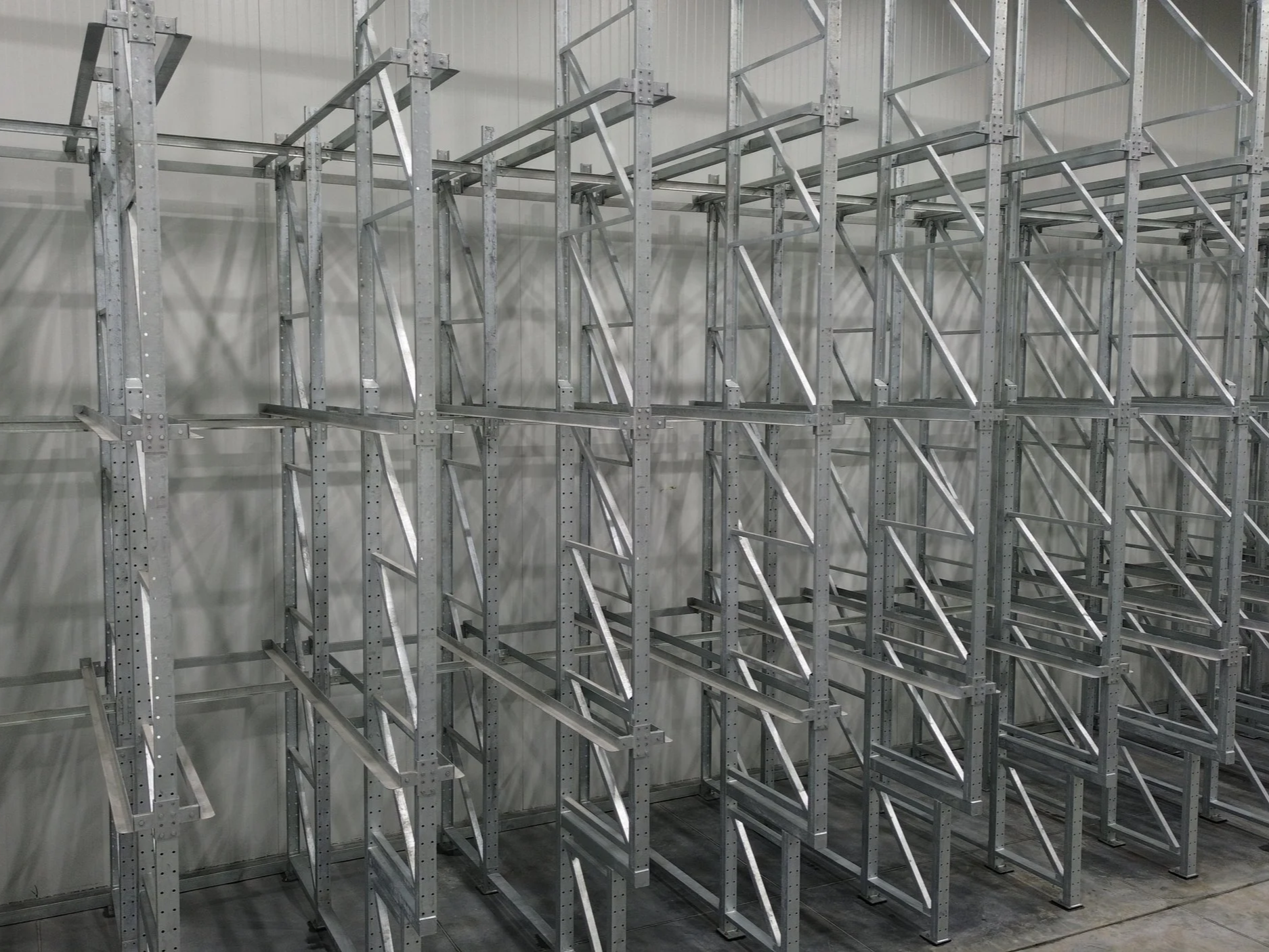
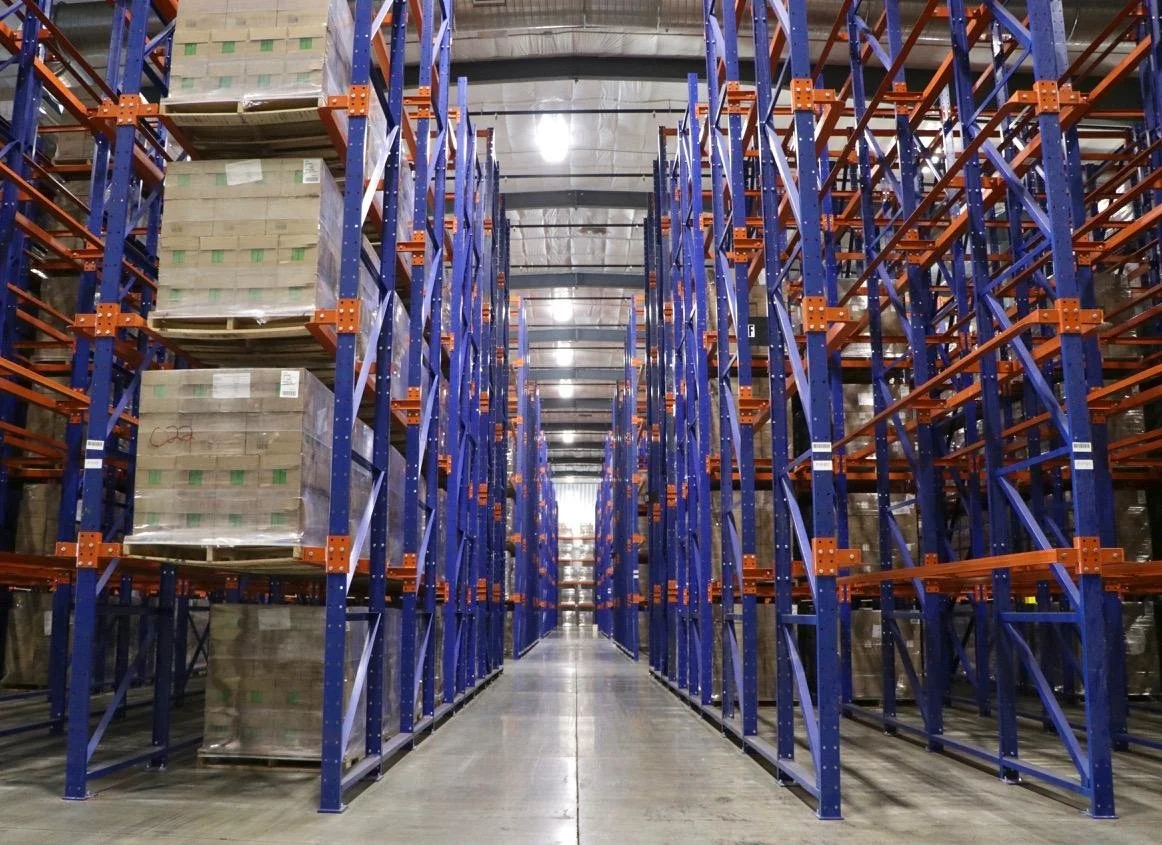
Roll form drive-in can be a cost-effective route to density when impacts are minimized and you want lighter components. Given roll form rack’s thinner-gauge construction, protect the system with entry guarding, upright protection, and strict lift procedures.
Roll Form Drive-In:
Drive-In Advantages
High-storage density for certain product mixes
Low capital investment vs. other high density options
Very efficient storage (ability to store pallets back-to-back without aisles)
Drive-In Limitations
Inflexible, does not allow for SKU increase
Possible low storage utilization (typically 50% of positions used)
Low productivity (30% slower than alternative systems)
Requires standardized pallets
Risk of rack damage by fork trucks
LIFO – Last In First Out
Difficult to rotate time-sensitive products
Industry Applications
Manufacturers with limited SKU counts
Producers with limited product variation, date segregated production or batch production
DRIVE-IN